
加载中...
共找到 25,635 条相关资讯
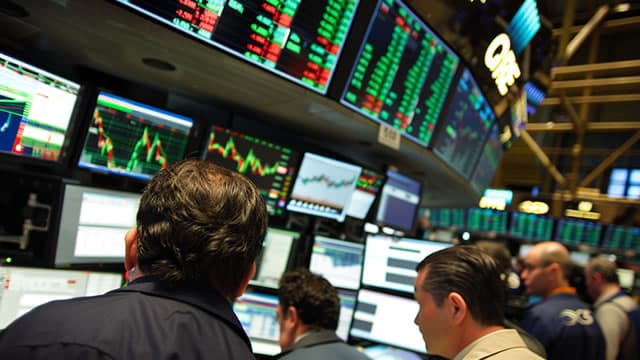
Oil prices in Europe are still over $100 a barrel.


Oil prices in Europe are still over $100 a barrel.

US equities fell for a fourth week through Mar. 20, but the decline has been orderly so far. Financial markets are forward‑looking pricing systems, continually scanning for indications that the future may diverge - however slightly - from current conditions.

Chicago Fed President Austan Goolsbee told CNBC on Monday that he's more worried about inflation now than unemployment, even with apparent progress made on the war with Iran. Following Monday's war news, traders, in volatile market action upped bets of a rate hike by the end of the year but still expect a cut in 2027.

US stocks opened higher on Monday, after President Donald Trump signaled a potential de-escalation in tensions with Iran by postponing planned military strikes on key energy infrastructure. The Dow Jones Industrial Average index jumped as much as 653 points, or 1.4%, while S&P 500 rose 1.3% and Nasdaq-100 gained 1.5%.
U.S. stocks powered higher in early Monday trading, but remain in halfway towards correction territory with weakening fundamentals, following a surprise de-escalation of America's military efforts in the war with Iran from President Donald Trump.

Federal Reserve Governor Stephen Miran says it's too soon to tell how higher oil prices will impact other prices. He speaks on "Bloomberg Surveillance.
The Federal Reserve may need to tighten monetary policy in response to oil prices' impact on the U.S. economy, said Chicago Fed President Austan Goolsbee.
US stock futures rallied and oil prices tumbled Monday morning after President Trump announced a five-day pause on plans to strike Iranian power plants after talks with Tehran.

The S&P 500 dropped 1.9%, or 125.73 points, below its previous week's close to end the third trading week of March 2026 at 6,506.46. The escalation of oil and gas prices resulting from the Islamic Republic of Iran's efforts to shutter oil container ship traffic through the Strait of Hormuz continued to set the big economic stories of the week.
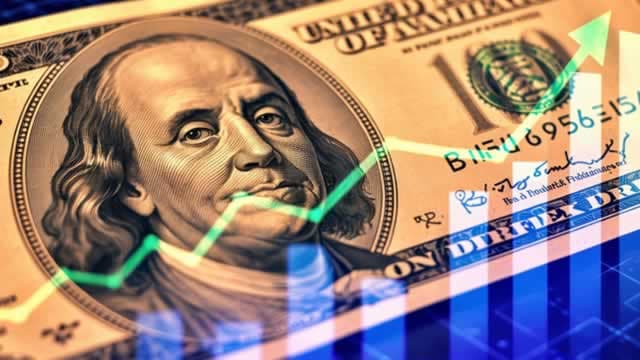
Market volatility is driven by President Trump's unpredictable Middle East conflict messaging, with oil prices nearing $100 and the risk of stagflation rising. Equity markets are deeply oversold, with the S&P 500 surrendering its 200-day moving average and over 70% of constituents down 20% or more.

Thomas Hayes sets the table for Monday's trading action by attributing the market reaction to headlines on President Trump and Iran as "very much like" 2025's tariff volatility. He explains what he learned from last year's moves and offers advice for investors when it comes to derisking and finding new market opportunities.
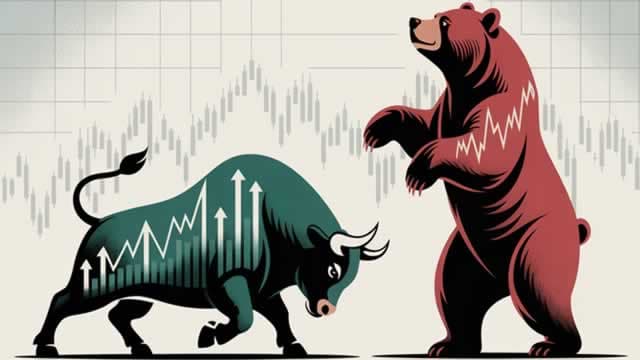
Wall Street stocks are expected to start the week sharply higher after President Donald Trump claimed the US and Iran had held productive talks toward ending the conflict in the Middle East, even as Tehran flatly denied any contact had taken place. Dow Jones futures were up 1.6%, S&P 500 futures gained 1.5% and Nasdaq futures 1.45%, reversing out of the red into the green after Trump's posted on Truth Social that he had instructed the Department of War to "postpone any and all military strikes against Iranian power plants and energy infrastructure for a five day period, subject to the success of the ongoing meetings and discussions".

Futures saw volatile action within a couple hours prior to Monday's opening bell. Stocks initially rallied after President Trump said there were constructive talks with Iran over the weekend — comments that were denied by Iran itself.
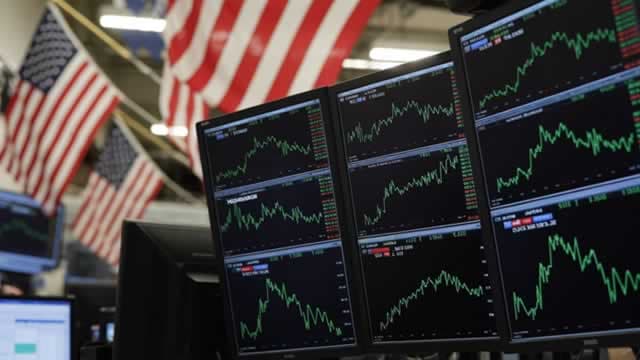
The 200-day moving average is the single most widely followed technical level in global financial markets, and the reason isn't mystical; it's institutional. On March 19, the S&P 500 closed below its 200-DMA for the first time since May 2025.

Following a record-breaking fourth quarter, AEO's Benzinga Edge Stock Rankings‘ value score rose week-on-week from 88.87 to 89.71. This upward shift in relative worth comes in stark contrast to the stock's recent market action, where shares have tumbled 34.70% year-to-date.

Investors responded to President Trump's latest threat, vowing to target power plants if the Strait of Hormuz isn't reopened. Meanwhile Iranian leadership warns it will respond by targeting energy and water facilities in the Gulf.
Dimitar Radev, Governor of the Bulgarian National Bank and ECB Governing Council member, discusses the ECB's latest decision to keep interest rates unchanged, the outlook for potential rate hikes amid geopolitical uncertainty, and Bulgaria's path toward adopting the euro.
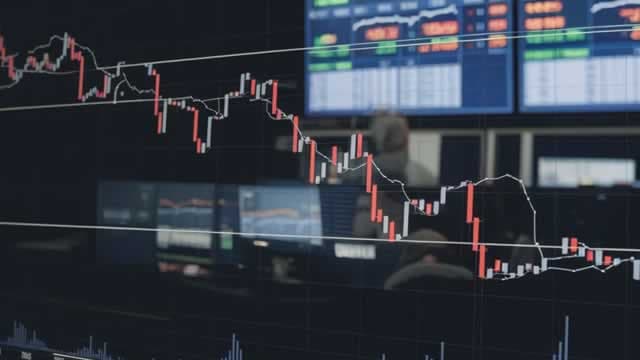
US stock futures witnessed a sharp jump on Monday after US President Donald Trump said Washington and Tehran had held “productive” talks over the past two days . Dow Jones Industrial Average futures jumped 1,100 points, or 2.6%, while S&P 500 futures rose 2.7% and Nasdaq-100 futures gained 2.7%.

The U.S. will postpone strikes for five days following discussions between the two countries.