
加载中...
共找到 25,637 条相关资讯
I remain bullish on US growth stocks, advising against panic selling or moving entirely to cash despite current market volatility. International equities have underperformed US stocks over the long term; recent currency and energy dynamics reinforce the case for US market leadership.

We think the recent correction in gold mining stocks presents a timely buying opportunity. The 2-year yield has risen the most, up a full 50 basis points, reversing the recent inversion at the short end of the curve.
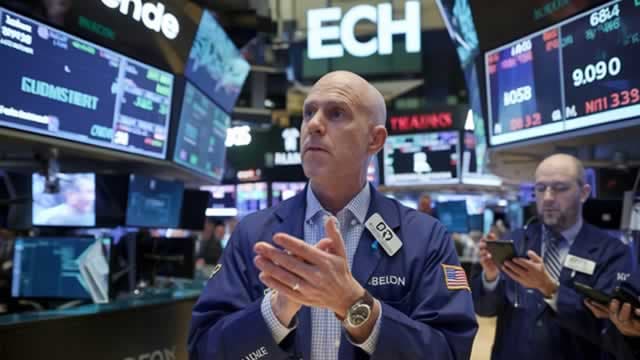
Federal Reserve Board Gov. Michelle Bowman discusses where interest rates are going and the job market performance on 'Maria Bartiromo's Wall Street.

U.S. stock-index futures fell on Sunday, as new threats of escalation from both President Donald Trump and Iran threatened to intensify the conflict roiling the Persian Gulf region.
The S&P 500 faces mounting bearish pressures from the Iran war and a coordinated hawkish shift by global central banks. Technical signals suggest a potential short-term bounce from the 6500 support area, but upside is likely capped near 6764–6775.
You'll experience losses when a bear market comes, but most active managers will do even worse.

The once-reliable trade on Wall Street, that President Trump “always chickens out,” could be torpedoed by the Iran conflict.

Macro pressure is intensifying as all five major central banks delivered restrictive decisions in the same week, with the Fed caught in a stagflation trap. Strategy added 22,337 BTC last week for $1.57 billion, bringing total holdings to 761,068.
Corporate executives on a recent CNBC CFO Council call expressed concern about the risk of a sustained rise in oil prices if the Strait of Hormuz closure is not soon resolved. President Trump issued a deadline for Iran to reopen the strait over the weekend, and the military has intensified attacks related to the closure, but the C-suite has set its own deadline for a reopening: about two weeks.

Historical data is suggesting that the stock market may ultimately emerge on top despite the recent volatility tied to the Middle East conflict involving the U.S., Israel, and Iran.

Larry Kudlow routinely preaches what's true, that “free market capitalism is the best path to prosperity.” Yet last week, and after Fed Chairman Jerome Powell chose to hold the Fed funds rate at its present level, Kudlow posted on X about how “It's crucial that Kevin Warsh be liberated as rapidly as possible to take over the Fed and get rid of models that say stronger growth leads to higher inflation.

Eurasia Group President and Founder Ian Bremmer joins David Gura and Christina Ruffini this morning for a wide-ranging conversation on President Trump's actions during the Iranian war and the impact on global markets and America's international standing. Bloomberg This Weekend to break it down.
Major central banks, including the Fed, ECB, BOJ, and BOE, kept rates unchanged, signaling increased hawkishness due to Iran war-driven inflation risks. Rising energy prices from the Iran conflict have pushed up inflation expectations and long-term yields, reducing the likelihood of multiple rate cuts in 2026.
A 20% S&P 500 decline is now a plausible scenario amid rising macro risks. Elevated oil prices and widening credit spreads are pressuring valuations and earnings yields.

Private credit funds make loans to companies, often paying investors in the fund higher interest due to illiquidity and risk involved. Certain semi-liquid private credit funds have seen high redemption requests from investors this year, raising concerns that trouble is brewing in the market.

The Trump administration's policy of reducing immigration has slowed labor force growth, economic growth and job creation. Federal Reserve Board Chair Jerome Powell has noted that the U.S. labor market has experienced no growth and no net private-sector job creation over the past several months.
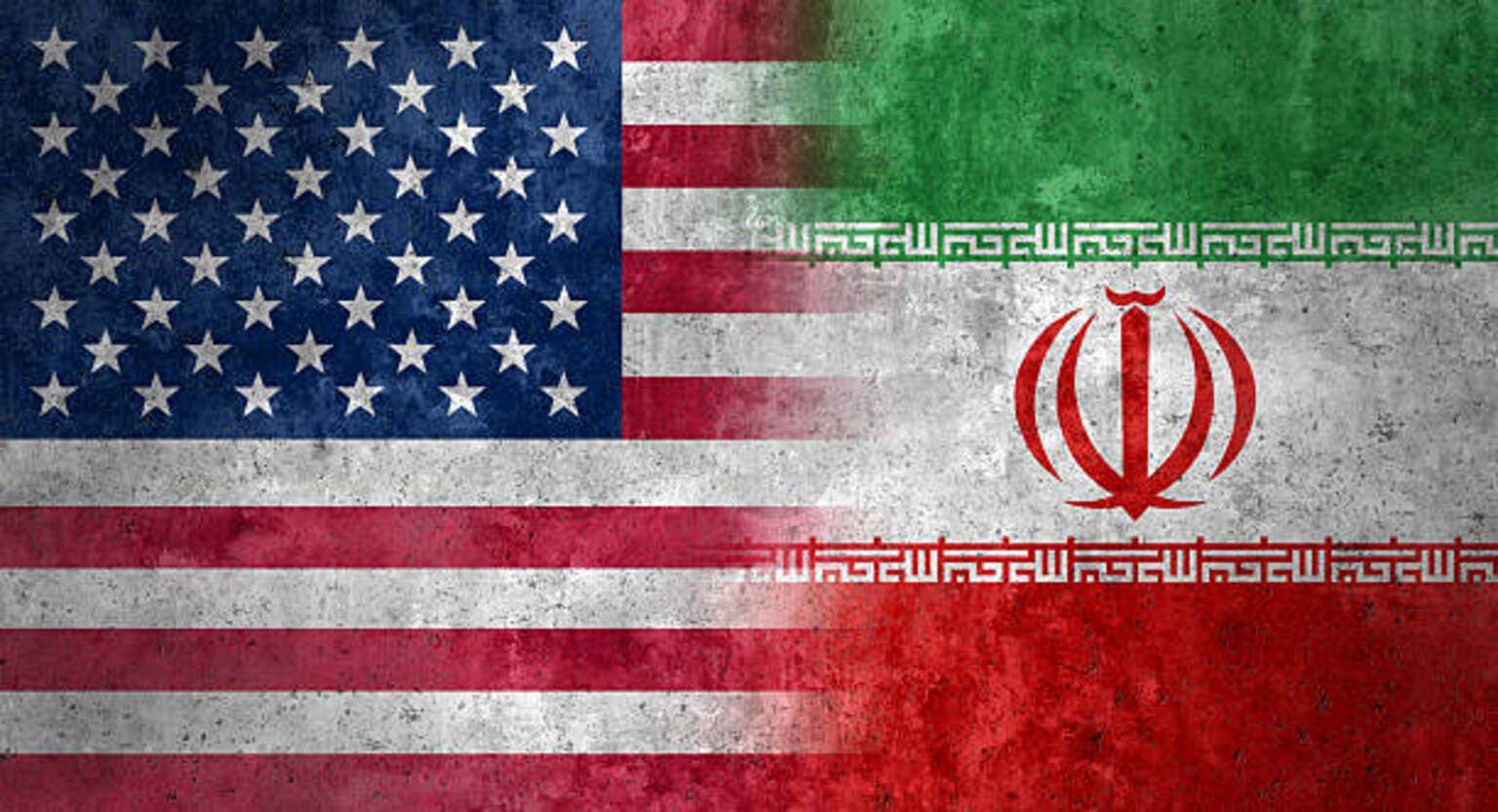
The S&P 500 faces heightened volatility amid escalating Iranian conflict and energy market disruptions, with downside risks not yet fully resolved. Despite U.S. market resilience, credit stress indicators and surging demand for hedges signal defensive positioning and fears of a deeper financial crisis.

Menstrual products have become more expensive over the past few years, in part due to rising inflation and new tariff policies. According to the most recent data, the average price of those products — which includes tampons and sanitary pads — has risen nearly 40%.
I remain bullish on U.S. cyclical value and manufacturing stocks, driven by synchronized economic growth and structural tailwinds. Policy shifts toward looser bank capital rules and direct liquidity injections are designed to accelerate nominal growth, supporting a "run it hot" economic playbook.
An aging population can continue to fuel hiring in healthcare even if the rest of the economy wobbles.