
加载中...
共找到 25,442 条相关资讯
Fed Governor Stephen Miran said the latest impasse in trade talks between the U.S. and China poses new dangers to the economic outlook and makes the case for rate cuts even more urgent. Miran has advocated for another 1.25 percentage points in cuts on top of the quarter-point move the Federal Open Market Committee approved in September.

Stocks sold off sharply after renewed U.S.-China tariff fears, but this might just be the excuse markets were looking for. Beyond tariffs, liquidity is what really concerns me right now.

Liz Ann Sonders with @CharlesSchwab says "buy the dip" remains a key rallying cry in the markets, though she notes plenty of risks that can reverse sentiment. Collin Martin talks more in-depth on some of those risks, which includes a backup of economic data from the government shutdown that can derail the FOMC's current interest rate track.

Federal Reserve Governor Stephen Miran sits down with Sara Eisen at CNBC's Invest in America Forum to discuss policy outlooks.

France's financial markets are riding a roller-coaster as the country grapples with one of its worst political crises in decades, and while sentiment is improving, the bumpy ride is not over.

Dow Jones Transportation index stocks are about to begin reporting earnings in earnest.
US stocks advanced on Wednesday, buoyed by stronger-than-expected corporate earnings that outweighed renewed concerns over trade tensions with China. The Dow Jones Industrial Average climbed 161 points, or 0.3%.
Amid heightened volatility on Wall Street due to the escalation of trade tensions between the United States and China, Treasury Secretary Scott Bessent made some significant remarks on Wednesday. While speaking to CNBC, Bessent said the US will not change its negotiating stance on China despite recent stock market declines linked to escalating trade tensions.
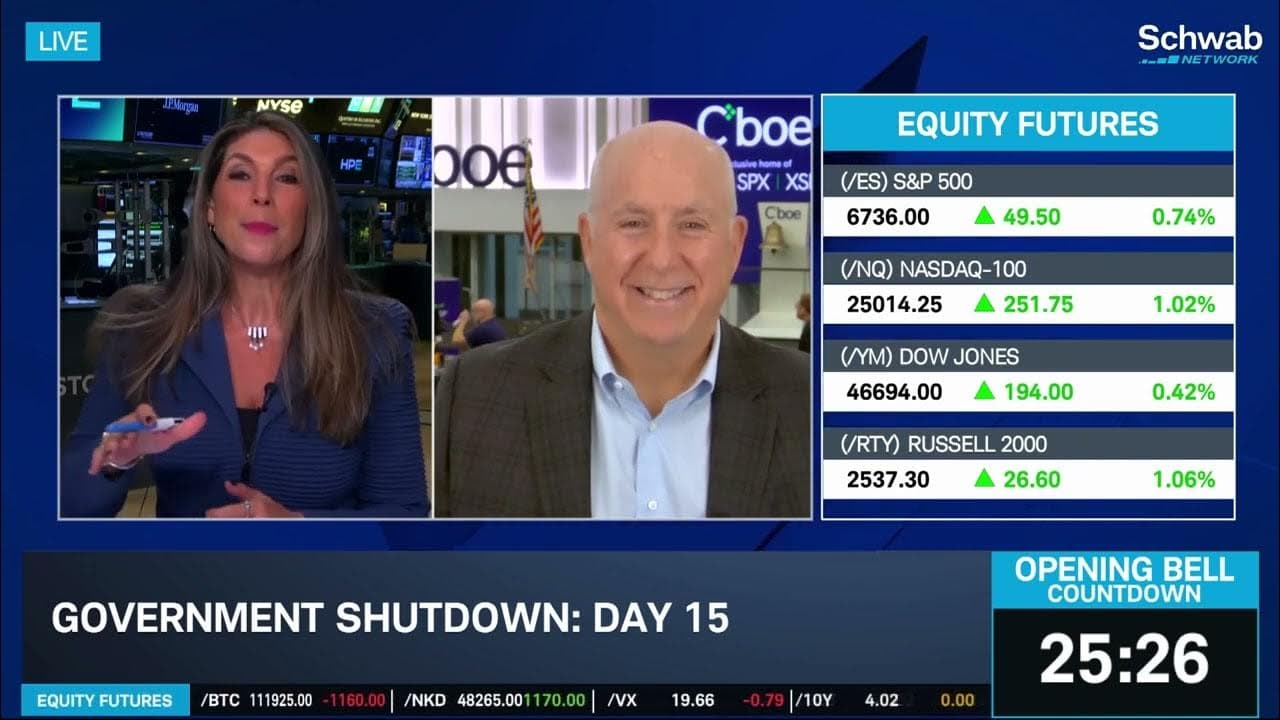
Treasury Secretary Scott Bessent's words on the consumer pushed futures higher ahead of Wednesday's opening bell. He alluded to the private sector becoming "unleashed" with help from the government.
If higher tariff-related inflation is a risk, it's not showing up in the bond market, at least not yet. The US 10-year Treasury yield remains close to its lowest level of the year, trading at 4.03% on Tuesday.

U.S. retail sales excluding motor vehicles and parts likely posted further gains in September, data from the Chicago Federal Reserve showed on Wednesday, though part of the rise probably reflected higher prices.
Treasury Secretary Scott Bessent joins CNBC's Sara Eisen at the CNBC 'Invest in America' Forum in Washington, D.C.
Treasury Secretary Scott Bessent joins CNBC's Sara Eisen at the CNBC 'Invest in America' Forum in Washington, D.C.
As of Oct. 15, 2025, two stocks in the financial could be flashing a real warning to investors who value momentum as a key criteria in their trading decisions.

Strong Q3 earnings from major banks and robust consumer data support continued S&P 500 gains, despite trade tensions and market volatility. Chairman Powell's comments signal imminent Fed rate cuts and an end to quantitative tightening, providing further monetary stimulus for risk assets.
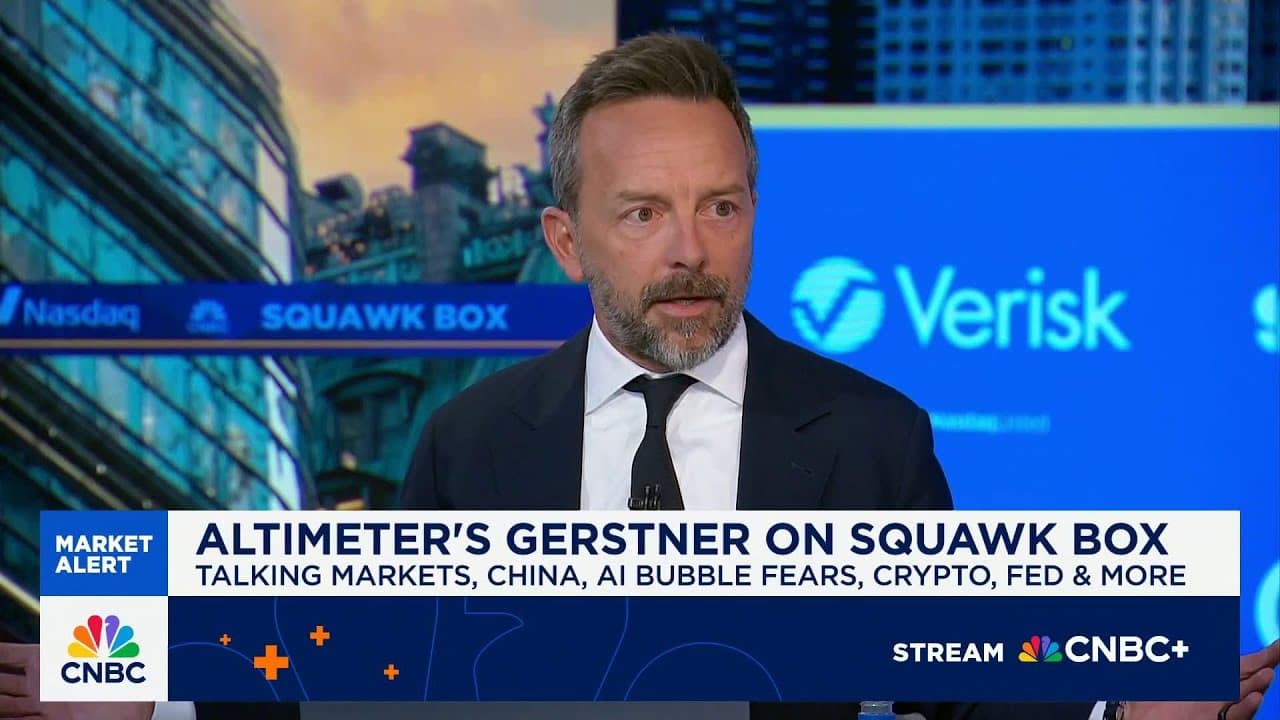
Brad Gerstner, Altimeter Capital founder and CEO, joins 'Squawk Box' to discuss the latest market trends, state of the AI tech race, concerns over an AI bubble, who the winners will be in AI, state of the economy, the Trump administration's industrial policies, and more.
International Monetary Fund Chief Economist Pierre-Olivier Gourinchas discusses escalating trade tensions and the outlook for inflation.
The Director of the IMF's Monetary and Capital Markets Department Tobias Adrian discusses stretched stock market valuations, Fed policy and the recent surge in gold prices.
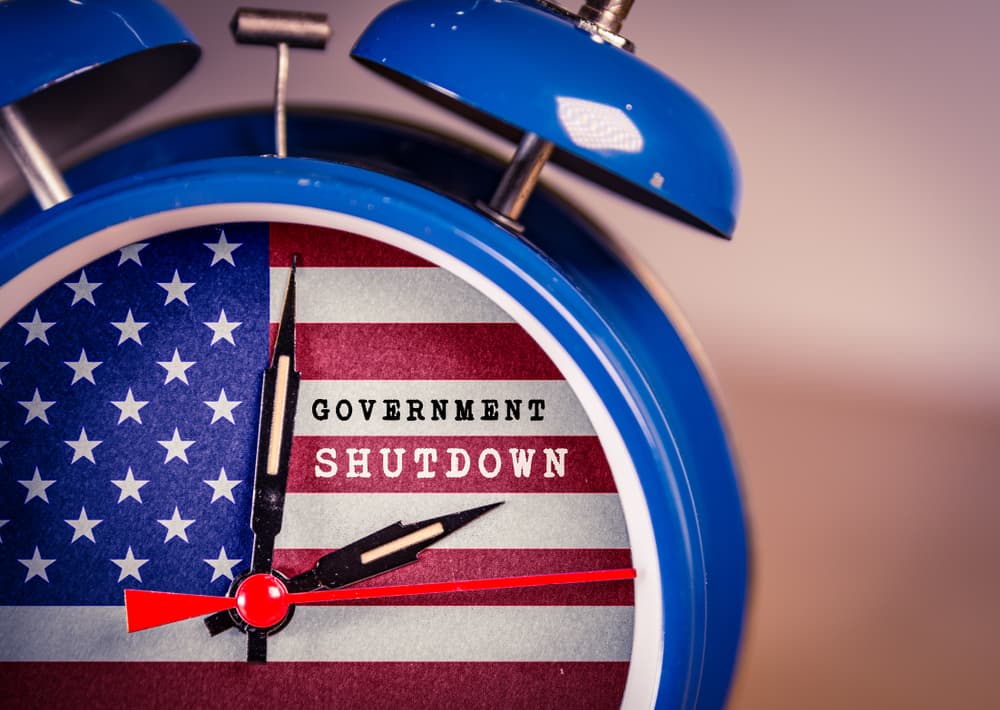
The Government Shutdown – Why It Matters, Fritz Folts, Chief Investment Strategist, and Steve Cucchiaro, CEO and CIO, discuss: The recent U.S. government shutdown; How we got here; What a prolonged shutdown could mean for the economy and the markets; How investors might think about the shutdown in terms of their own investment portfolios.
For all the spending being done by the so-called hyperscalers, the effect on the broader economy is overstated and pales in comparison to previous investment booms.