
加载中...
共找到 24,972 条相关资讯

The effective federal funds rate - the interest banks charge each other for overnight loans to meet reserve requirements - rose unexpectedly last week ahead of quarter end, mainly on the back of shrinking cash balances at foreign banks, according to market participants.


“My rental properties generate passive income of $6,000 monthly after taxes.”

The Swiss National Bank ramped up foreign currency purchases during the second quarter, data showed on Tuesday, as the central bank reacted to appreciation pressure on the Swiss franc after President Donald Trump announced tariffs on U.S. imports in April.
Anna Edwards, Valerie Tytel, Kriti Gupta and Mark Cudmore break down today's key themes for analysts and investors on "Bloomberg: The Opening Trade." Chapters: 00:00:00 - MLIV 00:00:07 - US Dollar 00:00:50 - Shutdown Positive for Equities, Negative for Bonds 00:01:40 - Direction of Fed Set by ADP Employment?

Over 60% of capital currently allocated to small cap stocks is invested in passive vehicles, but historical data unequivocally shows that there is more opportunity for alpha (i.e., market outperformance) in small caps than in any other segment of the publicly traded equity markets.

Despite the luxurious amenities, the Parker estate in Texas has struggled to find a buyer, bouncing on and off the market over the years.
After three reductions since February, the Reserve Bank of Australia (RBA) chose to keep the cash rate unchanged at 3.60% in today's policy meeting, with the decision backed unanimously by the board.

Four real estate stocks have shown a marked decline in momentum in recent weeks, even as the Federal Reserve advanced into a rate-cutting cycle.
Gold prices hit another all-time high, while the dollar weakens further
Bloomberg has learned that China is challenging decades of US 'strategic ambiguity' and urging Washington to align with Beijing in opposing Taiwan independence. Bloomberg Opinion Columnist Karishma Vaswani says a change in wording is a matter of survival for the self-ruling island and raises the risk of Washington being seen as an unreliable partner in the Asia-Pacific.

Implied volatilities were mixed across asset classes last week as the risk of a looming government shutdown weighed on sentiment despite better-than-expected economic data. As we approach earnings, single stock vols have picked up notably relative to the index.

US President Donald Trump ordered 10% tariffs on imports of softwood timber and lumber, as well as 25% levies on kitchen cabinets, vanities and upholstered wood products. The tariffs are set to apply from Oct. 14, with some increases targeted to take effect Jan. 1, according to a proclamation signed Monday.
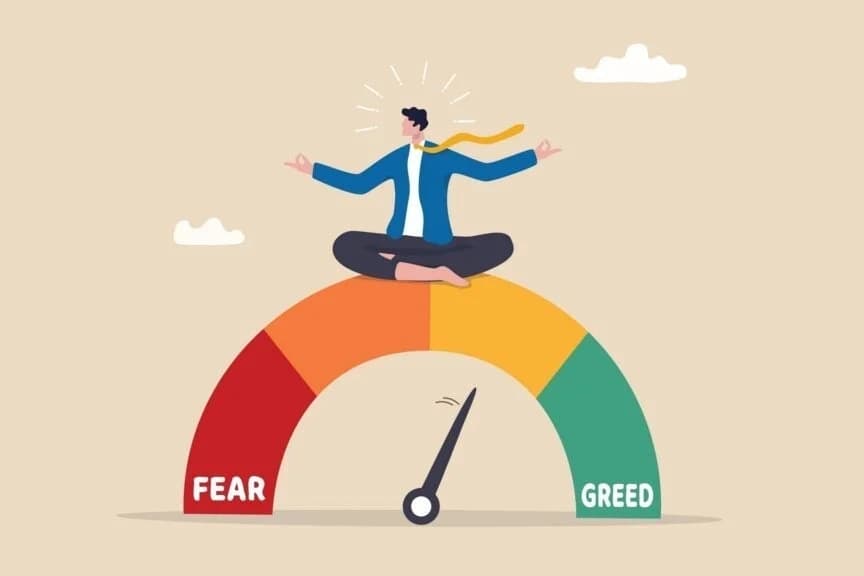
The CNN Money Fear and Greed index showed some decline in the overall market sentiment, while the index remained in the “Neutral” zone on Monday.

German retail sales unexpectedly fell in August, the federal statistics office said on Tuesday, led by a decline in online and mail-in orders.

The headline Engineering and Construction Cost Indicator saw a net decline to 58.6 this month, from 63.0 in August. The sub-indicator for materials and equipment costs increased by 5.2 points to 55.5, while the sub-indicator for subcontractor labor costs decreased to 66.0 in September from 68.5 in August.

The dollar edged lower as a potential U.S. government shutdown loomed, with Democrats and Republicans having until midnight Tuesday to approve a federal spending bill.
European stocks are expected to open in mixed territory on Tuesday as investors keep an eye on Trump's trade tariffs and another political impasse in the U.S.
Spain has enjoyed its place in the sun in markets for several years now with a buoyant economy and robust corporate sector, and with its creditworthiness getting a triple upgrade it looks set to widen its lead over its stagnating euro zone neighbours.
Prepare your portfolio for the unexpected.
Australia keeps policy rate steady at 3.6% as inflation creeps up