
加载中...
共找到 24,905 条相关资讯
Risk-off sentiment returns: Trump's hawkish rhetoric on Iran dashed de-escalation hopes, reigniting stagflation concerns and triggering a broad risk-off move, equities, AUD/USD, and Asian markets fell, while oil surged and the US dollar strengthened. Equities and risk assets remain under pressure: S&P 500, Nasdaq 100, and AUD/USD show renewed bearish momentum after failed rebounds, with technical setups pointing to further downside unless key resistance levels are reclaimed.

Kevin Mahn, Hennion & Walsh Asset Management president and chief investment officer, joins 'Squawk Box' to discuss market reactions to developments in the Iran war, his outlook on AI-focused stocks, and more.

Josh Brown and Sean Russo take a look at QSR.

The economy has alternated between adding jobs and losing jobs for 10 months in a row, and the on-and-off streak is likely to extend into March.
Geopolitical instability has hampered Wall Street throughout 2026, but could cooling tensions in the Middle East help to support a relief rally throughout different sectors?
U.S. stocks traded lower this morning, with the Nasdaq Composite falling around 1% on Thursday.

The escalating U.S.-Iran conflict, particularly over the Strait of Hormuz, shows no imminent resolution, raising risks of a prolonged energy crisis. It's time to hunker down.
Oil prices soared on Thursday, with analysts blaming Trump's speech for sparking fears that the war will drag on. The Brent crude index is up nearly 8% to $109 as of 9:45 a.m.
Dallas Federal Reserve President Lorie Logan on Thursday laid out paths and options for the U.S. central bank to reduce the size of its balance sheet, in remarks that noted the current system works well and offers benefits for overall financial stability.
Q1 has been one of the most tumultuous quarters in recent memory. This has created a rare confluence of buying opportunities, but the window to act may be closing fast.
US stocks opened lower on Thursday, the final session of a holiday-shortened week, after President Donald Trump signaled an escalation in the Iran conflict, dampening hopes for a near-term resolution and pushing oil prices higher. The Dow Jones Industrial Average fell about 637 points, or 1.3%, while the S&P 500 declined 1.3% and the Nasdaq 100 dropped 1.74%.
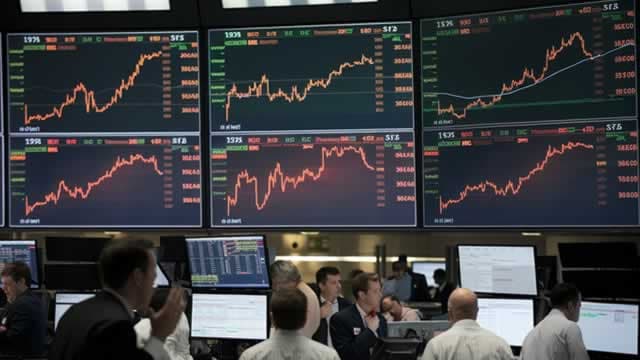
Kevin Hincks believes President Trump spoke to Iran in Wednesday night's address where he threatened to send the country "back to the Stone Age." Futures plunged on the president's rhetoric and crude oil began Thursday's session above $110.
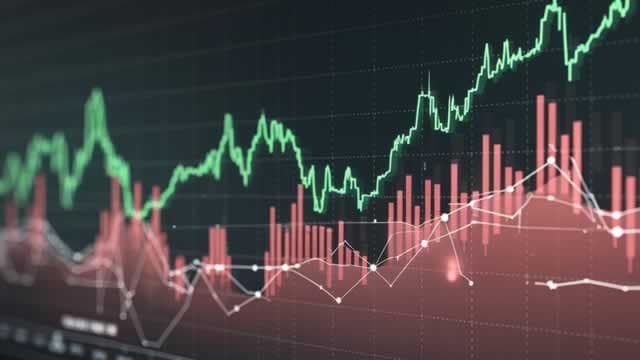
Headline CPI inflation is expected to spike in March to 3.2%, and continue spiking towards 4% in April, due to the unfolding energy price shock. The market views the current spike as transitory, which assumes that the Iran war ends in 2-3 weeks, with the opening of the Strait of Hormuz.

Look at what action are happening on the ground of the U.S.-Iran War, not the words that are spoken, says Ahmed Riesgo. If the market has certainty that the Strait of Hormuz will reopen and crude oil prices go down, Ahmed sees the foundation for a rebound taking shape.

Overseas traders are buying tokens linked to big U.S. stocks during off-hours.
U.S. jobless claims declined last week, with little sign so far that the rise in global energy prices prompted by the conflict in the Middle East is scarring employment.
The U.S. trade deficit increased in February, continuing a bumpy stretch for international flows of goods amid fast-changing U.S. policy.
I maintain a diversified portfolio, leaning more defensive amid the Iran conflict and recent market volatility. Elevated energy prices and supply chain disruptions threaten certain sectors, but recent economic data remains resilient.

The Middle East conflict has significantly impacted global financial markets, affected logistics and hindered the supply of raw materials integral to a host of industries.

What matters in U.S. and global markets today