
加载中...
共找到 25,193 条相关资讯

Geopolitical tensions in the Middle East are driving oil higher, stocks lower, and fueling stagflation risks for the U.S. economy. Presidential jawboning has temporarily supported risk assets, but repeated market manipulation may lose effectiveness if negotiations stall.

The number of people who filed for unemployment benefits was 210,000 in the week through March 21, higher than the 205,000 reported a week earlier, the Labor Department said.

In its periodic update of economic conditions, the Organization for Economic Cooperation and Development forecast all-items inflation in the U.S. to be at 4.2% for 2026. The forecast is a sharp step up from the prior projection of 2.8%.

Crude oil spiking and concerns of "boots on the ground" in Iran have investors pulling back ahead of Thursday's opening bell. Kevin Green walks investors through the recent volatility and the central role energy infrastructure risks play.

U.S. Treasury yields rose amid an uncertain time horizon for an end to hostilities in the Middle East.
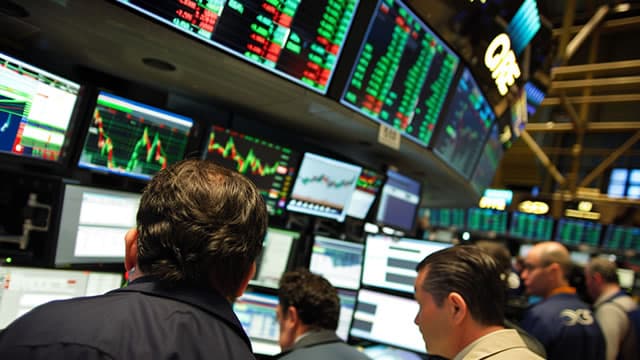
The S&P 500 remains nearly 5% lower on the month and looks fragile.
Trump gets the blame as investors snub Iran reprieve. Even a Truth Social post may not save stocks.

The worldwide pandemic has started an inflationary boom that will last three decades, which means investors should turn to high-quality stocks rather than bonds for inflation protection, according to Morgan Stanley's chief U.S. equity strategist.

Gordon Johnson of the Wall Street analyst firm GJL Research had few words of comfort for his followers and even fewer of praise for the Federal Reserve once the February import prices data came out on March 25.

Government bond yields in the U.S. and Europe rose on Thursday as doubts about a near-term resolution to the Middle East war reignited concerns about inflation and prospects of interest-rate hikes.

“In the United States, the impact of higher energy prices on inflation will more than offset the effect from the decline in effective tariff rates on imports, especially given that the initial tariff rate increases from the first half of 2025 have only been partially passed through to consumer prices,” the report said.

Meta, YouTube ordered to pay damages, Microsoft stock off to worst three-month start to a year, Iran war puts spotlight on Taiwan risks, and more news to start your day.

Strategists at JPMorgan find the current buildup of cash by investors is nowhere near that which was seen after Russia's invasion of Ukraine.

What matters in U.S. and global markets today

The SEC is reportedly finalizing a proposal to allow U.S. companies to transition from quarterly to semi-annual reporting (SAR), potentially ending a 90-year-old mandate. Following the March 2026 launch of the CSA's SAR Pilot, TMX Group CEO John McKenzie is calling for an expansion of the rules to include larger-cap companies to lower barriers for new IPOs.

Plus, let's make a deal—please

While U.S. President Donald Trump has been brazen in his demands for the historically independent Federal Reserve to lower interest rates, his administration is also trying to quietly steer the central bank's policy in another critical area: oversight of Wall Street banks.

If energy prices stay high for longer, the economy could grow by just 2.6%—and the hit in 2027 would be even larger, according to the the research body.

As tech platforms make trading more accessible than ever, financial firms are finding new ways to reach young investors before they're old enough to drive.
European missile maker MBDA has spent 1 billion euros ($1.16 billion) on production without signed contracts to fill stocks and keep pace with surging demand, its CEO said on Thursday.