
加载中...
共找到 25,442 条相关资讯

Liquidity constraints persist, with elevated overnight funding rates and record Treasury holdings on primary dealer balance sheets. Fed reserve balances remain below $3 trillion, unlikely to rise until active balance sheet expansion resumes.

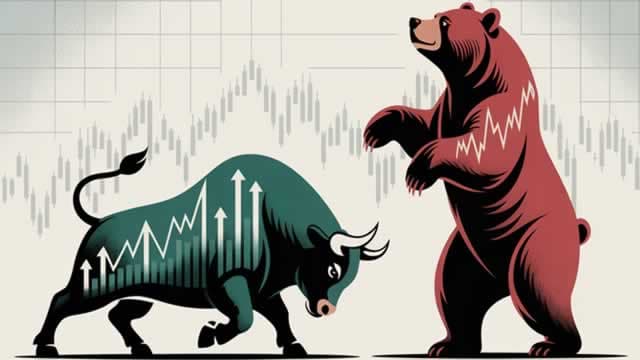
Wall Street is finding the challenge of parsing delayed economic data even more frustrating this week, with stock markets cheering a muted Friday inflation report and bond investors dumping Treasuries amid concerns that price pressures will remain sticky well into the coming year.

Japan's bond stress is becoming a global liquidity test, and for crypto too This week's macro narrative has been shaped by Japan. Volatility at the long end of the government bond curve intensified after a weak 20-year JGB auction, marked by soft demand and a wider price tail.

As of Dec. 5, 2025, two stocks in the materials sector could be flashing a real warning to investors who value momentum as a key criteria in their trading decisions.

Issuers are aiming to democratize access to private markets through tokenized stocks, but investing in the emerging asset class can expose traders to certain risks, experts told CNBC. With tokenized equities, retail investors can "invest" in private companies like OpenAI and SpaceX by purchasing digital representations of them on blockchains.

The Federal Reserve's decision will take center stage in the coming week, with the central bank widely expected to cut interest rates after recent weak U.S. jobs data.

José Torres of Interactive Brokers and Steve Hou of Bloomberg Index Research break down the real drivers behind inflation, interest rate expectations, consumer behavior, quantitative analysis, and more. They also explain what could derail the growth outlook, how stretched consumers are reshaping spending trends, what falling volatility is signaling, and where risk may be hiding in both stocks and fixed income.

US consumer confidence rose in December for the first time in five months. The University of Michigan index climbed to 53.3 from 51 a month earlier.

Rapid AI progress (as shown in recent events, such as AI working out an unsolved math problem) suggests non-zero odds of meaningful Artificial-General-Intelligence-level breakthroughs as soon as 2026. AGI would trigger massive deflation, especially via labor-cost collapse, forcing central banks toward lower rates and likely new forms of monetary stimulus like Universal Basic Income.
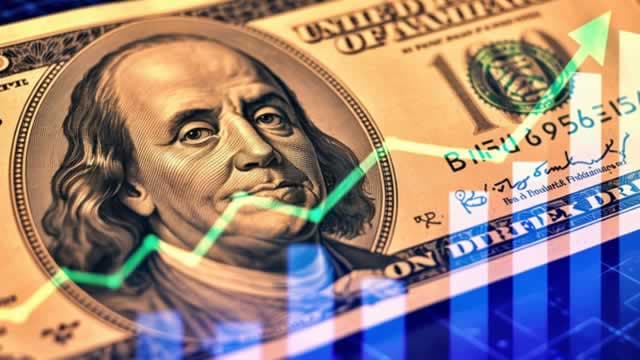
Bitcoin and other digital assets fell early Friday as the latest cryptocurrency rebound proved to be another false dawn—for now.
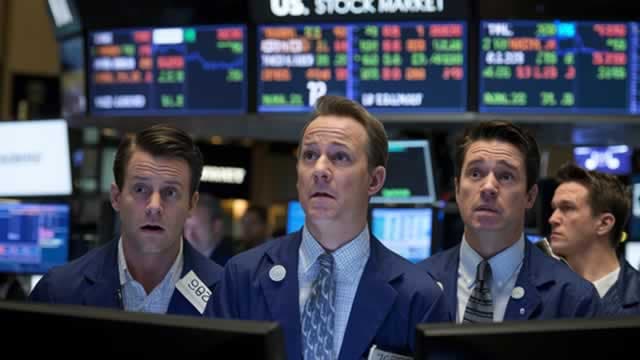
AI-driven investment, rising leverage and shifting market dynamics are reshaping the 2026 stock market outlook. As companies accelerate spending on data centers, chips and digital infrastructure, micro-level decisions are increasingly influencing the capital markets and broader economy.

The Yen Carry Trade is back in the spotlight. @CharlesSchwab's Michelle Gibley explains what the hawkish commentary from the Bank of Japan means for global equities.
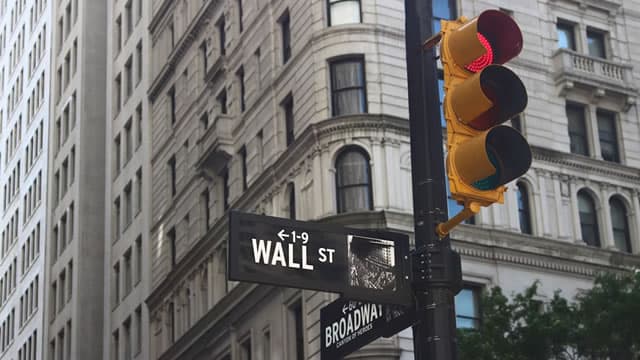
BlackRock CIO of Global Fixed Income Rick Rieder says a Federal Reserve interest rate cut next week is "not a lock." He speaks on "Bloomberg Open Interest.

Consumer sentiment—a monthly assessment of Americans' views on the economy—rose to 53.3 in December from 51 in November, which neared the all-time low set in 2022, a reading of the University of Michigan's study found.
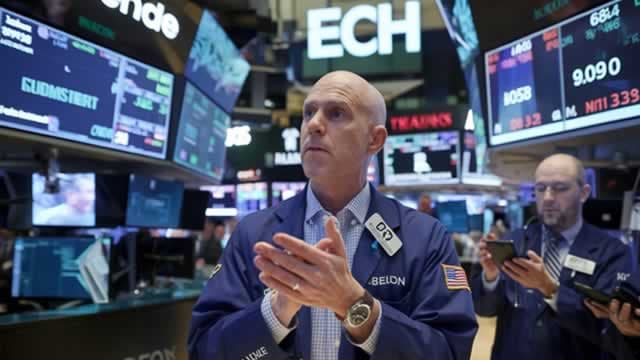
The Fed's last policymaking meeting this year is scheduled for next week, amid rising expectations that officials will cut interest rates for a third time. Traders are pricing in 87% odds that rates will be lowered to a range of 3.5% and 3.75%, according to CME's FedWatch.

Excluding the volatile food and energy categories, core prices rose 0.2% in September from August, the same as the previous month, accoring to a report that was delayed five weeks by the government shutdown.

Monthly index of consumer sentiment from the University of Michigan rose slightly versus November, but remained much lower than where it began the year.

With the U.S. stock market priced for perfection and artificial-intelligence speculation driving a boom in tech-related stocks, many investors are asking if this is a stock-market bubble that could burst at any moment.

The Commerce Department's delayed September PCE inflation report showed that inflation remained well above the Federal Reserve's 2% target ahead of a central bank decision next week.

The Federal Reserve's preferred measure of inflation held below 3% in September, and indicated a moderate month-over-month increase in prices unlikely to block consideration of an interest-rate cut at the central bank's meeting next week.