
加载中...
共找到 25,605 条相关资讯
Recurring applications for US unemployment benefits fell to the lowest level in almost two years, declining by 32,000 to 1.819 million in the week ended March 14. Initial claims increased by 5,000 last week, to 210,000.

Lloyd Blankfein, former chief executive officer of Goldman Sachs Group Inc., talks about the growing risk of a widespread markdown in private markets. He spoke to Bloomberg's Francine Lacqua in London.
Robert Kaplan, vice chairman at Goldman Sachs, says, “the Fed is wise to be a risk manager here, not a prognosticator,” in response to the war in Iran. Kaplan also discusses the US economy, how the war has impacted financial activity in the Gulf, and what the firm is telling clients at this moment.
Gold has lost about 15% of its value since the beginning of the Iran war, while silver has dropped as much as 25%, bucking conventional wisdom that international crises lift metals prices, which are viewed as “safe haven” assets. Analysts from Sucden Financial said last week gold and silver are trading “in negative correlation with oil” as oil and energy prices surge, adding that “bullion may find some support from geopolitical uncertainty, but as long as oil absorbs the main safe-haven bid, upside will likely remain constrained.
The Wall of Worry index currently signals investors are neither greedy nor fearful, sitting squarely in the neutral zone. Key sentiment indicators, including the Hulbert NASDAQ survey and AAII survey, both reflect neutral investor positioning, lacking extremes.

US stocks fell Thursday morning as oil prices jumped 4% and President Trump warned Iranian negotiators they “better get serious soon” amid conflicting reports over peace talks.
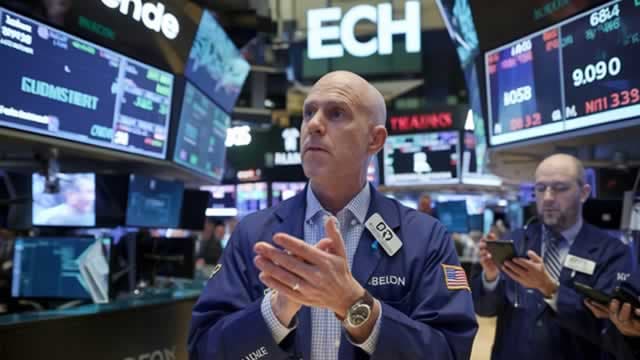
U.S. stocks traded lower this morning, with the Dow Jones index falling more than 250 points on Thursday.

The benefits of diversifying across asset classes as a risk management tool are widely accepted, but what's easily overlooked is that the relative benefits wax and wane over time. There are several ways to measure asset allocation's value for portfolio design and management.

Initial unemployment claims rose as expected last week while a longer-term measure hit its lowest level in nearly two years, the Labor Department reported Thursday. First-time filings for unemployment benefits totaled a seasonally adjusted 210,000 for the week ended March 21, up 5,000 from the prior week but in line with the Dow Jones consensus estimate.

The long-serving Dem official, in the job since 2007, said that gains for New York's financiers are also good news for taxpayers because they help bankroll key public services.

During times of turbulence and uncertainty in the markets, many investors turn to dividend-yielding stocks. These are often companies that have high free cash flows and reward shareholders with a high dividend payout.
Global stocks rose for a third consecutive day on Wednesday as diplomatic signals between the United States and Iran offered some relief to rattled markets, but UBS is warning investors against reading too much into short-term moves and urging them to resist the temptation to trade around geopolitical events. The White House said it has been in productive talks with Tehran over recent days, with Iran signalling some willingness to negotiate, though the US's 15-point ceasefire proposal was initially rejected and fighting in the Middle East continues.

Geopolitical tensions in the Middle East are driving oil higher, stocks lower, and fueling stagflation risks for the U.S. economy. Presidential jawboning has temporarily supported risk assets, but repeated market manipulation may lose effectiveness if negotiations stall.
The number of people who filed for unemployment benefits was 210,000 in the week through March 21, higher than the 205,000 reported a week earlier, the Labor Department said.

In its periodic update of economic conditions, the Organization for Economic Cooperation and Development forecast all-items inflation in the U.S. to be at 4.2% for 2026. The forecast is a sharp step up from the prior projection of 2.8%.

Crude oil spiking and concerns of "boots on the ground" in Iran have investors pulling back ahead of Thursday's opening bell. Kevin Green walks investors through the recent volatility and the central role energy infrastructure risks play.

U.S. Treasury yields rose amid an uncertain time horizon for an end to hostilities in the Middle East.

The S&P 500 remains nearly 5% lower on the month and looks fragile.

Trump gets the blame as investors snub Iran reprieve. Even a Truth Social post may not save stocks.

The worldwide pandemic has started an inflationary boom that will last three decades, which means investors should turn to high-quality stocks rather than bonds for inflation protection, according to Morgan Stanley's chief U.S. equity strategist.