
加载中...
共找到 25,270 条相关资讯

Wall Street wants to sell data on private markets, where pensions and colleges pay hefty fees and receive scant information.


It's been a pattern of the AI age. Every time the Nasdaq sells off, it quickly returns to previous highs—and rises from there.

In this episode of Next Africa, we take you inside the inaugural Bloomberg Africa Business Summit, where influential leaders, investors, and innovators including South African billionaire Patrick Motsepe, Sygnia founder Magda Wierzycka and JPMorgan's Daniel Pinto gathered to discuss the forces reshaping the continent's economic future. From policy shifts and technology breakthroughs to sustainability, finance, and trade partnerships, we bring you key insights and exclusive conversations with the people driving Africa's next era of growth.

A senior Fed official revived investors' rate-cut hopes, leading to more market confusion about December' policy decision.
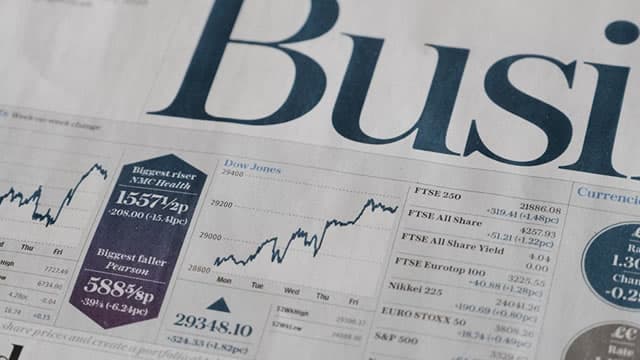
The week draws to a close on a positive note after a significant selloff in risk assets as US rate cut bets continued to decline from the Federal Reserve's December meeting. US jobs data for September was finally released but came with a caveat: the October and November data will not be released until after the Fed's December meeting.
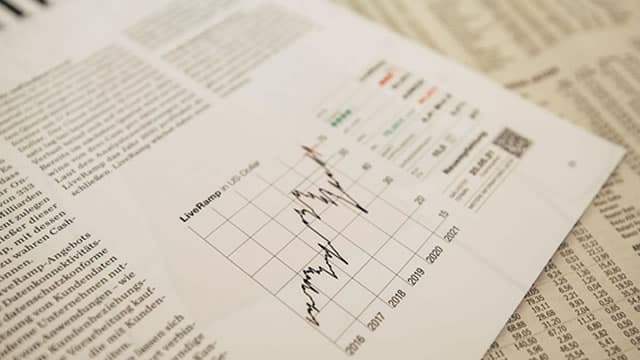
Q3 2025 earnings season results mattered more in the absence of economic data during the government shutdown. U.S. companies soundly beat earnings expectations, with strength in many AI and non-AI firms.

US stocks rebound on Fed rate-cut hopes as traders rotate out of risky tech stocks, with volatility elevated and crypto sliding to new lows.

Nvidia delivered outstanding earnings and strong guidance, yet the stock reversed sharply the following day as profit taking, stretched positioning, and fragile sentiment around the AI trade drove a broad market selloff. Economic data and shifting Federal Reserve communication created meaningful volatility, with December rate cut expectations swinging from nearly 75 percent to the low 30 percent range before rebounding sharply on Friday.

'Mad Money' host Jim Cramer looks ahead to next week's market game plan.

The S&P 500 fell almost 2% this past week as fears of an AI bubble led to sharp intraday market swings.

The president expects his next Fed chair to lower rates, but growing internal opposition shows the limits of a leadership change—and threatens to end decades of consensus.

The billionaire investor wants to take his hedge-fund management company, Pershing Square, public at the same time as a new closed-end fund next year.

If Japan raises interest rates to halt the yen's slide, liquidity will evaporate, upending stock and bond markets around the world.
Peter Boockvar, One Point BFG Wealth Partners, joins 'Fast Money' to talk what to expect from teh Federal Reserve in Fed Chair Powells final meetings.

I argue that despite high valuations and AI hype, current market conditions do not constitute a bubble of any kind. AI's exponential growth and real-world applications, especially by AI winners, justify elevated valuations for select companies.

Japan's 40-year treasury bond yield spike is unlikely to trigger global market turmoil, as the carry trade and risk factors are already priced in. U.S. equities remain attractive versus Japan due to stronger debt/GDP ratios, but overvaluation risks in the U.S., especially in tech, persist.

What does the September jobs report, delayed by six weeks because of the government shutdown, say about the economy? Lydia DePillis, our economics reporter, describes how the report, which was better than expected, comes at a moment of deep uncertainty.

The stock market rallies, with the Dow Jones index shining Friday. But stocks suffer weekly losses.

Market Domination Overtime host Josh Lipton looks back on the day's market moves after the closing bell on November 21, 2025. Carnegie Investment Counsel Director of Research Greg Halter joins the program to talk about the volatility hitting US stocks this week and the latest themes in the AI trade.

The S&P 500 remains historically expensive, even after a 5% correction, and is not a bargain at current levels. Maintain exposure to the S&P 500, but avoid aggressively increasing positions until clearer signals emerge from employment data and the Fed.