
加载中...
共找到 25,625 条相关资讯

Unusually timed futures flows ahead of President Donald Trumpʼs Iran de‑escalation post on Monday have sparked sharp questions about whether someone close to the president is trading U.S. policy for profit.


The conflict with Iran has already put fresh stress on the U.S. economy, as companies report rising prices, fewer orders and a decline in employment.

AI Capex, private credit bubbles, and the Iran War have been headwinds to the market's positive outlook, with initial concerns rising around global liquidity getting locked up. However, Bitcoin, one of the best indicators of global liquidity, has bottomed out since the US/Iran war started, rising 11%, beating out almost every other asset class, barring crude prices.

The Iran war has revived the specter of a 1970s bogeyman known as stagflation — a period of high inflation and miserable economic growth.

Iran is vowing "complete victory" and no return to normal for the Strait of Hormuz.

The PMI composite flash came in weaker than expected, with Kevin Green attributing the report to higher prices and less demand. He explains why the number is troubling when it comes to economic growth.

Implied volatilities were mixed last week as investors weighed the impact of the ongoing Iran war. Gold volatility increased as the precious metal sold off, down over 10% last week as real yields spiked.
President Trump's announcement of a halt in the strikes on Iranian infrastructure sparked a rise in risk assets on Monday (Mar. 23). Commodities are still the strongest year-to-date performer for the major asset classes, but 2026 results are a bit less lopsided through yesterday's close, based on a set of ETFs.
Roughly 297,000 single-family homes and condos were flipped nationwide last year, according to ATTOM, a real estate data provider. That was a decrease of 3.9% from 2024 and the lowest number of flips in any year since 2020.

US stocks opened lower on Tuesday as renewed uncertainty over the Middle East conflict dampened momentum from the previous session's rally. Investors grew cautious despite US President Donald Trump's decision to delay military strikes on Iran, with conflicting signals around diplomatic progress keeping markets on edge.
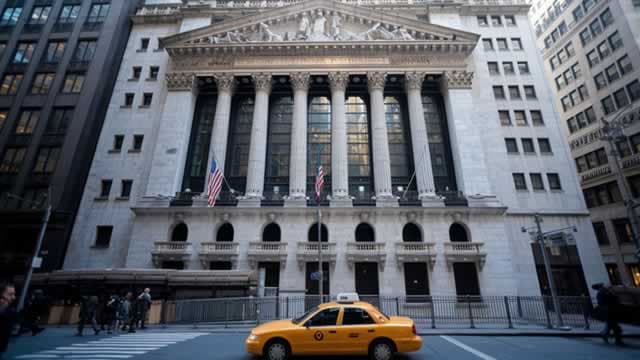
The New York Stock Exchange, part of Intercontinental Exchange , announced a collaboration on Tuesday with digital asset company Securitize to help create tokenized versions of traditional financial securities.

Analysts at UBS argue investors should use the latest rebound to de-risk and diversify rather than chase market, saying the bounce after Donald Trump delayed threatened action against Iranian energy infrastructure does not remove the broader risk of elevated oil prices, weaker growth and fresh volatility. The key portfolio call is a rotation away from markets UBS sees as more exposed to an energy shock.
Citadel Securities' Scott Rubner sees an “increasingly constructive” setup for April when it comes to stocks.
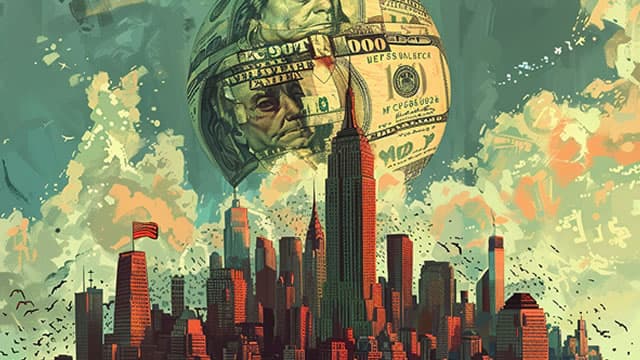
Market volatility surged as war in Iran escalated, driving risk assets down and oil sharply higher before a sudden reversal. Presidential rhetoric signaled de-escalation, triggering a rapid equity rebound and oil price collapse, though bond markets remained skeptical.

As of March 24, 2026, two stocks in the real estate sector could be flashing a real warning to investors who value momentum as a key criteria in their trading decisions.

US futures were pointing lower ahead of Tuesday's open, as early optimism over a potential Iran ceasefire fades following a flat denial from Tehran that any talks have taken place. The Dow Jones, S&P 500 and Nasdaq all off around 0.3%, Markets swung sharply overnight after President Trump said the US and Iran had held "very good and productive conversations" and announced a five-day pause on military strikes – comments that briefly sent risk assets higher and pushed Brent crude back below $100 a barrel from a peak of $114 yesterday.
The Dow Jones Index retreated by over 100 points in the futures market as it erased some of the gains made on Monday when it jumped by 630 points. It was trading at $46,100, down by over 8% below its highest point this year.
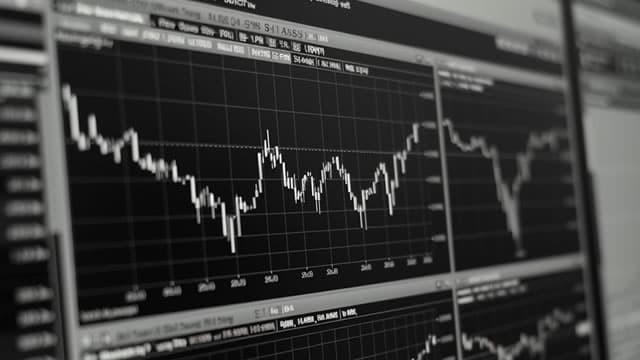
President Donald Trump's biggest vulnerability is his concern about stock prices, Michael Burry says. "The stock market is Trump's kryptonite," the investor of "The Big Short" fame wrote on Substack.
Here are five key things investors need to know to start the trading day.

The Pro Padel League has raised $15 million in Series A funding, signaling growing investor confidence as the sport expands in the U.S. Padel's rapid global growth is now spilling into the U.S., with projections of 15 million American players by 2030.